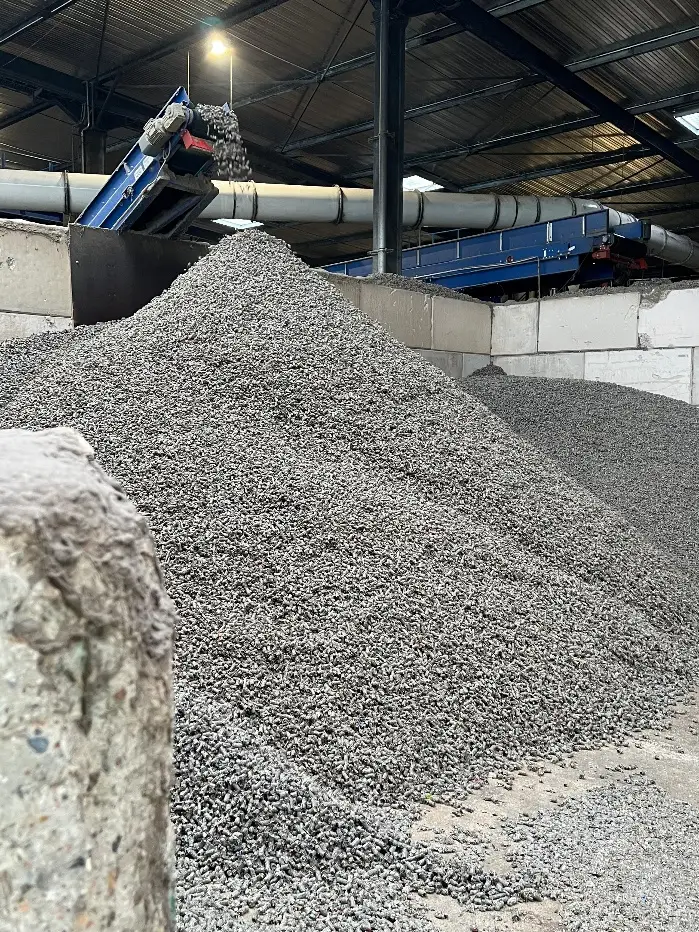
Blue River Recycling the alternative fuel production plant at the Port of Papenburg, Germany has reached full production. With both parallel processing lines now in continuous operation, the facility is producing dense, homogeneous refuse-derived fuel (RDF) pellets from pre-sorted high-calorific waste for use in the cement, lime and power industries and other energy-intensive applications.
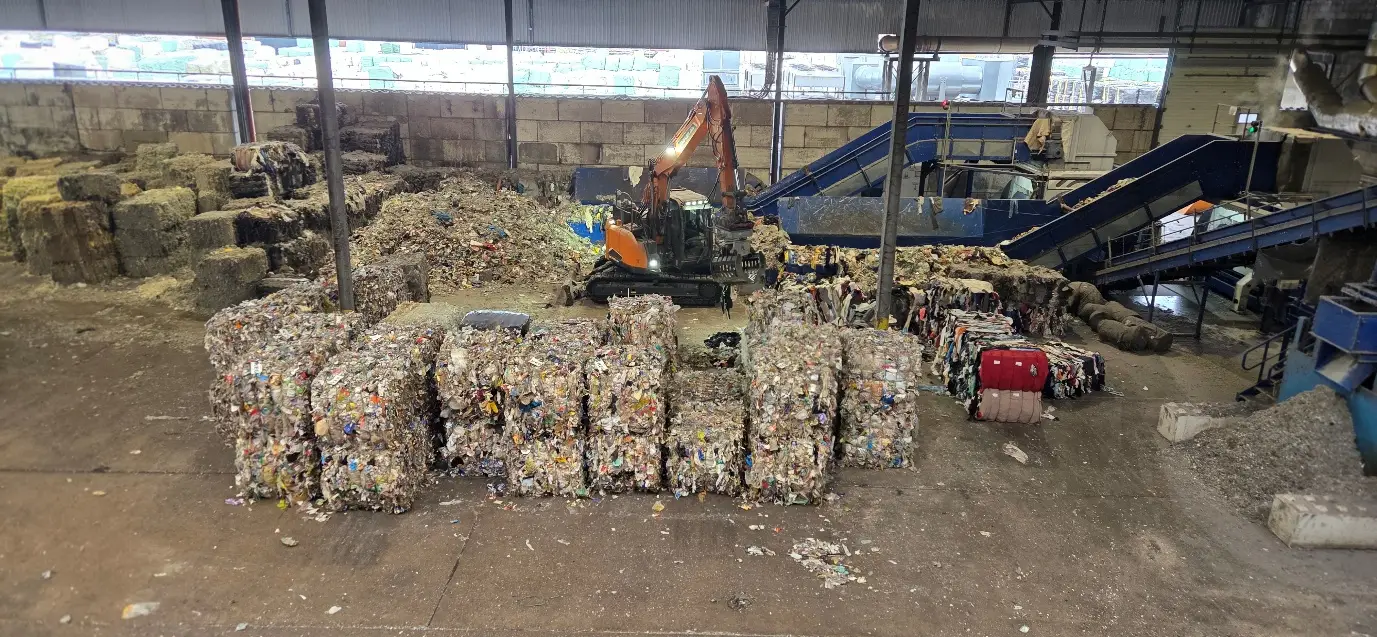
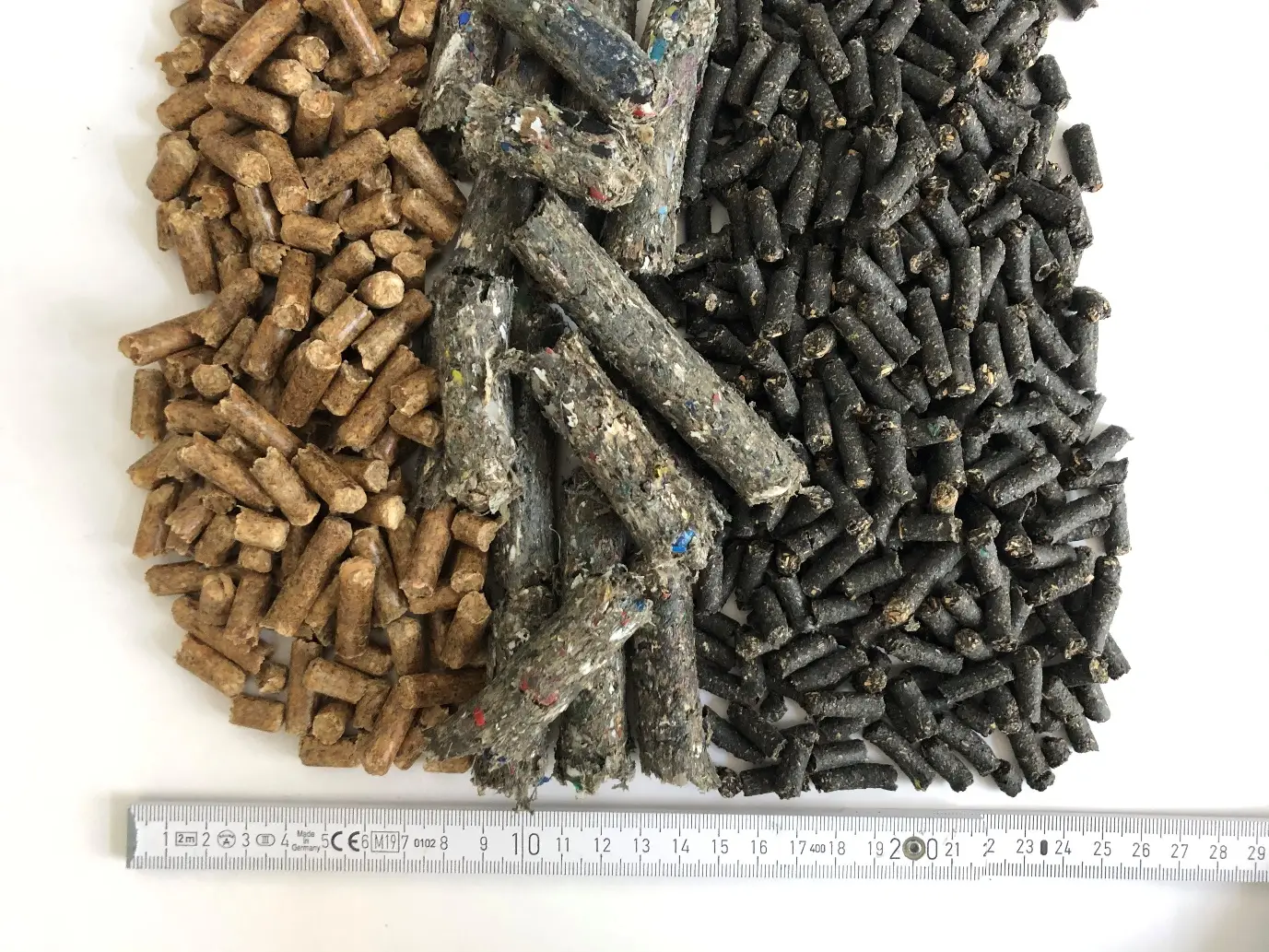
The plant is designed to process high-calorific waste streams such as non-recyclable mixed plastics, coated paper fractions and commercial waste residues, as well as textile and melamine waste into a consistent, standardised alternative fuel. Rather than supplying loose “fluff”, the facility produces a densified pellet that is far better suited to stable storage, efficient transport and precise, controlled feeding at the receiving plant.
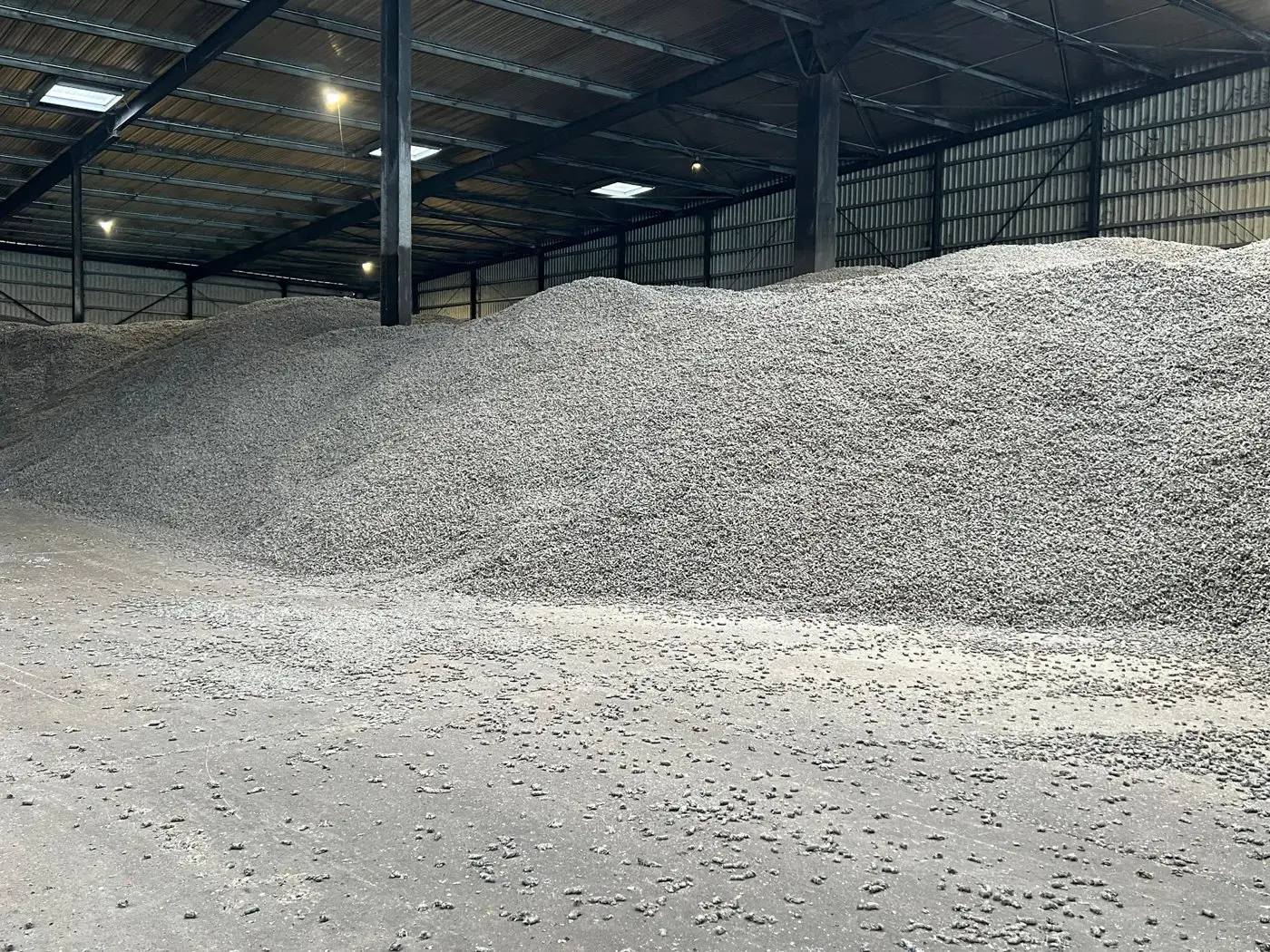
At the heart of the operation is a controlled, recipe-based processing approach. Each incoming waste stream is quality-checked, barcoded and blended to ensure that the finished fuel meets consistent calorific and physical specifications. The material then passes through multiple processing stages: shredding to below 30 mm, separation of metals and heavy particles, and drying to a moisture content of around 3 %. In the final pelletisation stage, four flat-die pelletisers compact the processed material into dense RDF pellets. The calorific value of this RDF pellets is around 24 MJ/kg with 12-16 mm diameter.
The plant runs two parallel processing lines to secure high availability and consistent throughput. Pre-sorted waste undergoes sequential size reduction, metal and inert removal, and controlled blending and drying before pelletisation, with the finished pellets stored for stable, on-demand supply to downstream users. The higher bulk density of the pellets improves handling and transport efficiency and makes them well suited both to co-processing in a broad range of various industrial kilns (power generators, cement, lime, gasification systems), where a homogeneous and consistent fuel feed is essential.
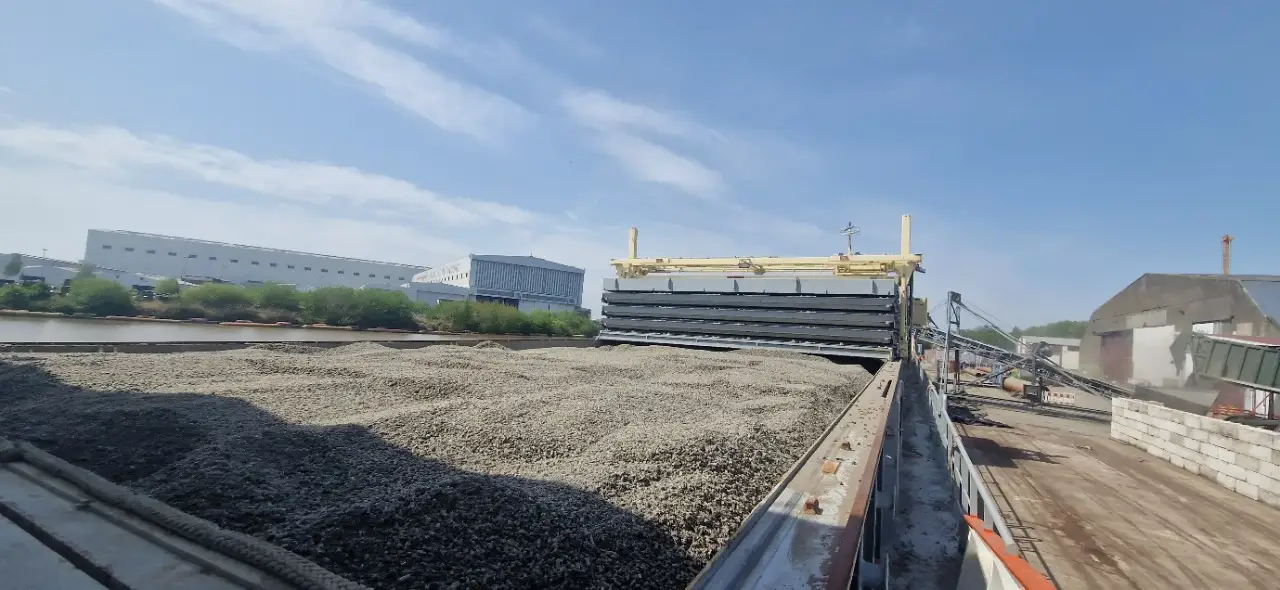
A key advantage of the Papenburg location is its direct connection to multimodal port logistics. The finished pellets can be dispatched by lorries for road transport. Moreover, dispatch straight from the adjacent quay by inland waterway barge and coastal vessel is feasible, allowing large volumes to be moved efficiently to customers with minimal road haulage and, thanks to the higher bulk density of the pellets, with correspondingly lower transport emissions.
“Reaching full production at Blue River Recycling is an important milestone for us. By pelletising these waste streams we can guarantee a consistent, high-quality alternative fuel and help our customers in energy-intensive industries meet their decarbonisation targets,” said Dirk Lechtenberg, Managing Director of Blue River Recycling.
Find out more about the project at www.blueriver-recycling.com.